 CLASHBASE.ONLINEFarming
About this Town Hall 15 base
Copy this base to Clash of Clans
Tap the button below. Clash of Clans will open so you can place this layout in an available base slot.
Copy base to the gameClash of Clans must be installed on this device.Rate this layout
Share a useful, honest experience. One review is stored per visitor for this item.
TH15 Farming Base #7: Layered-Square Defense Built to Protect Loot in Depth
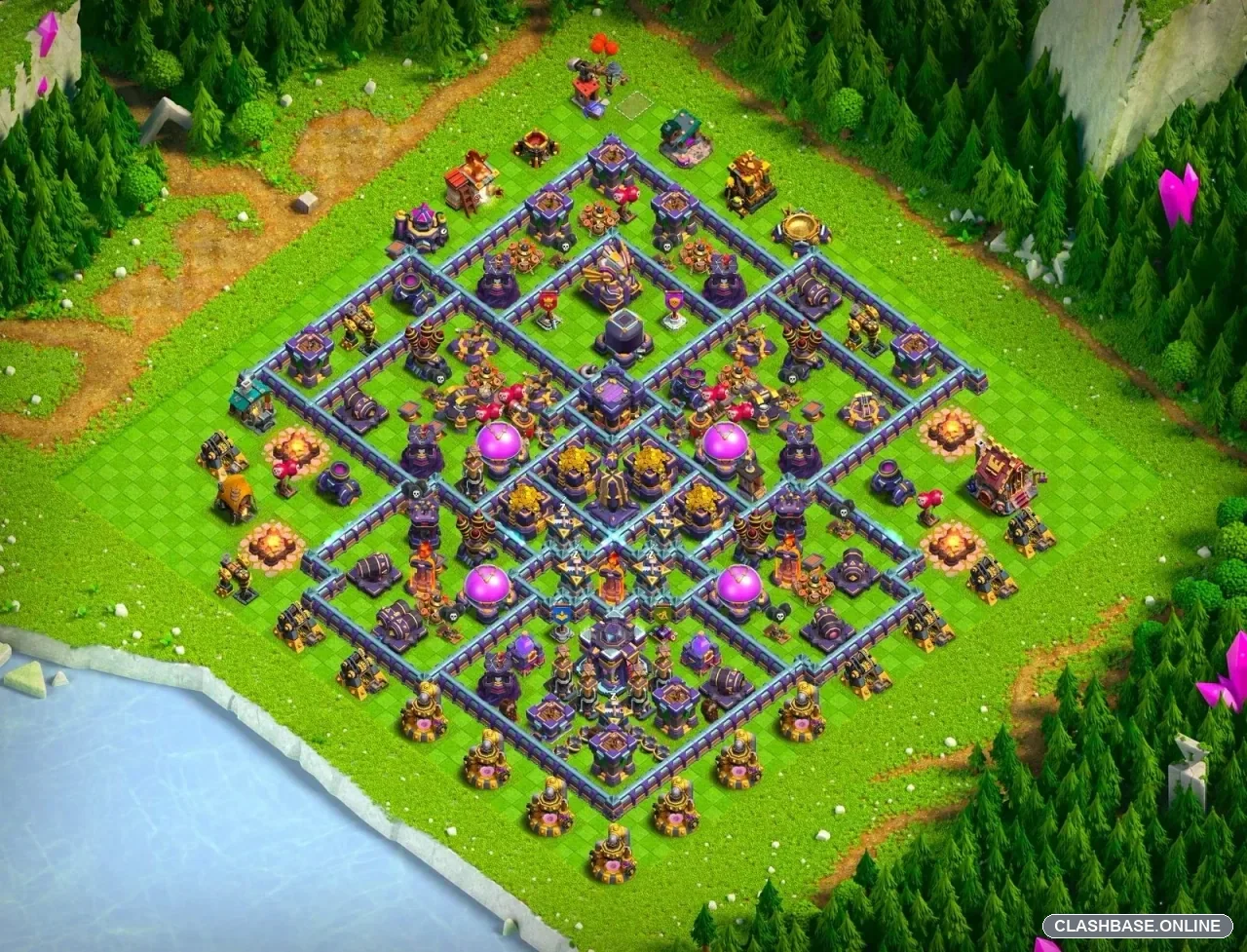
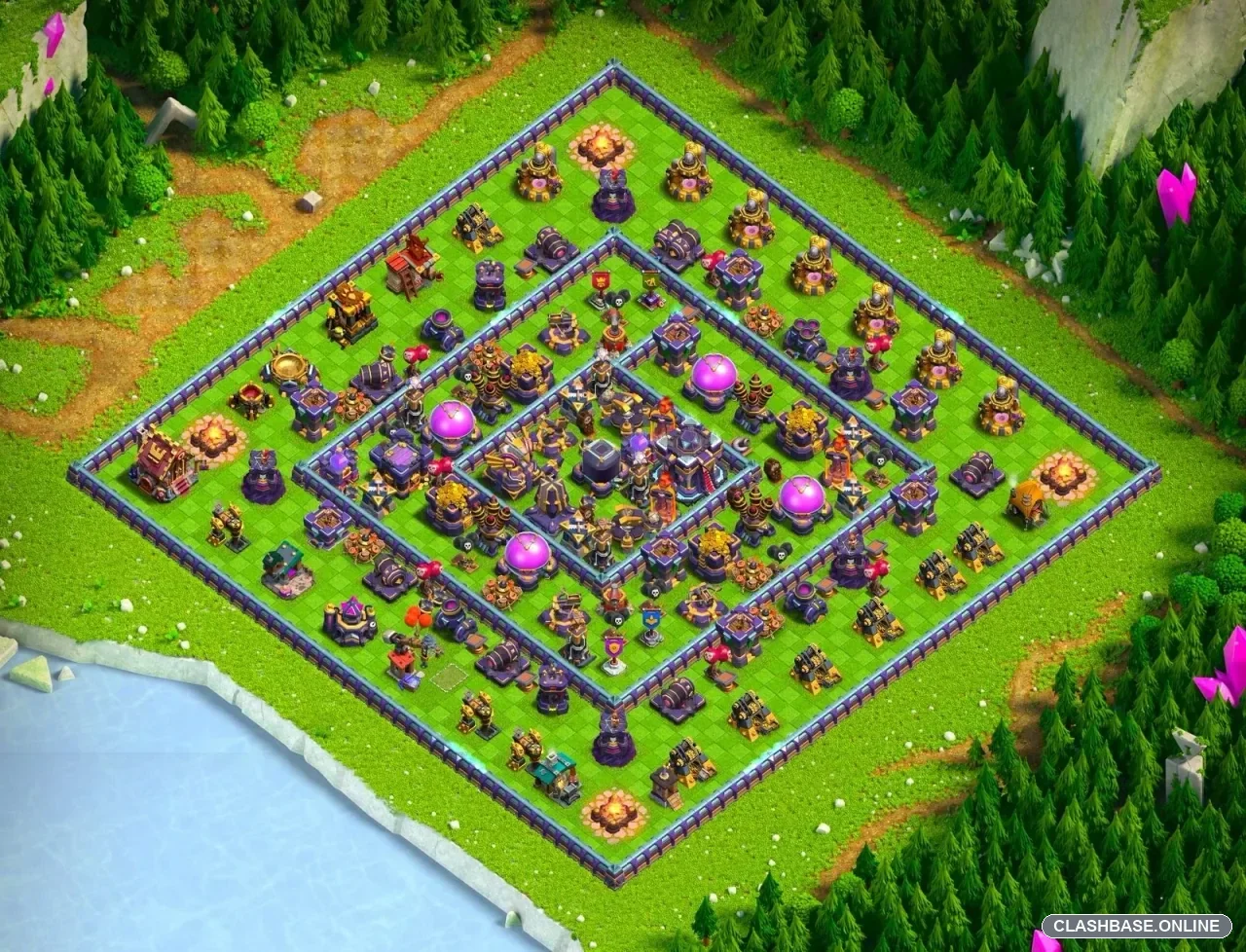
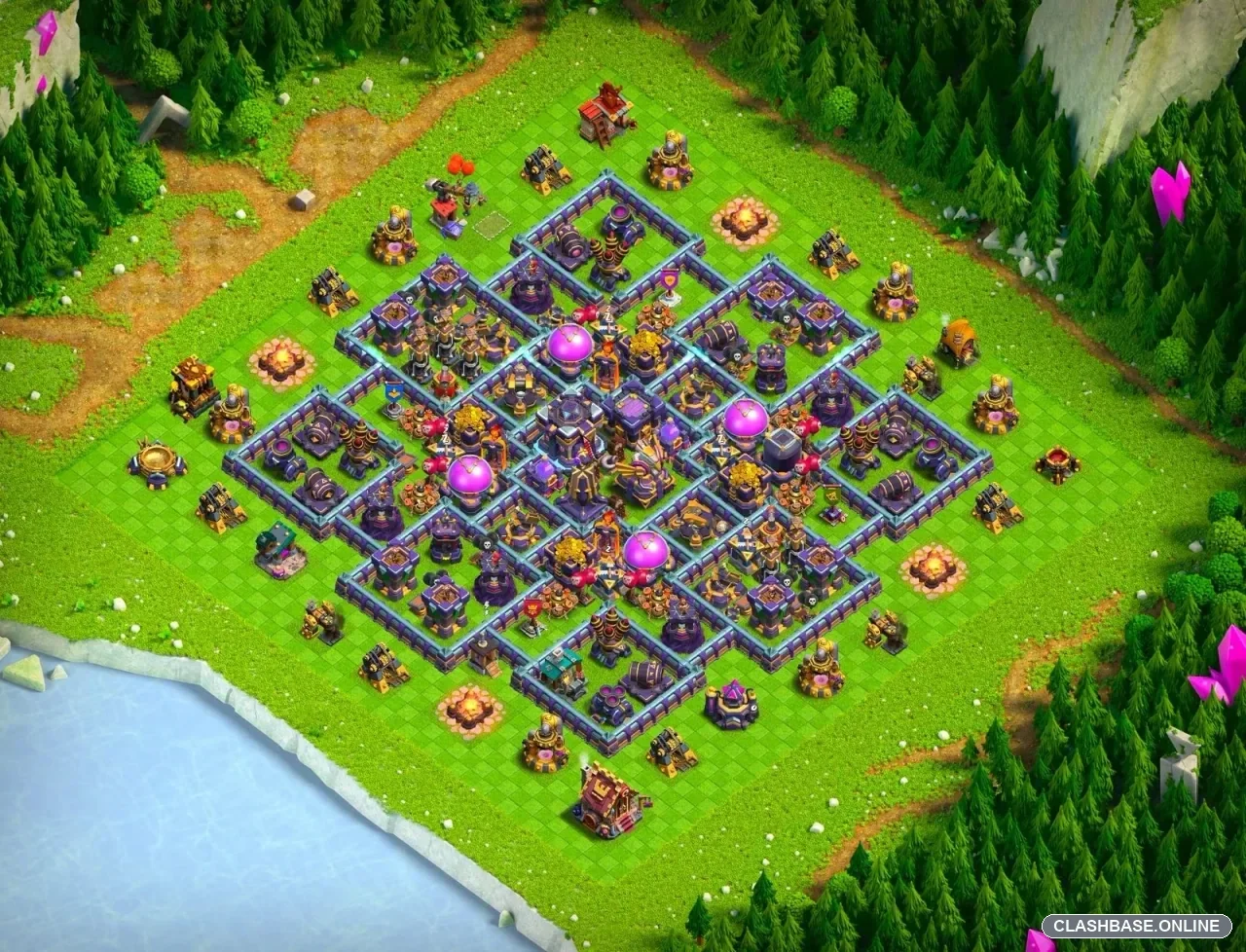
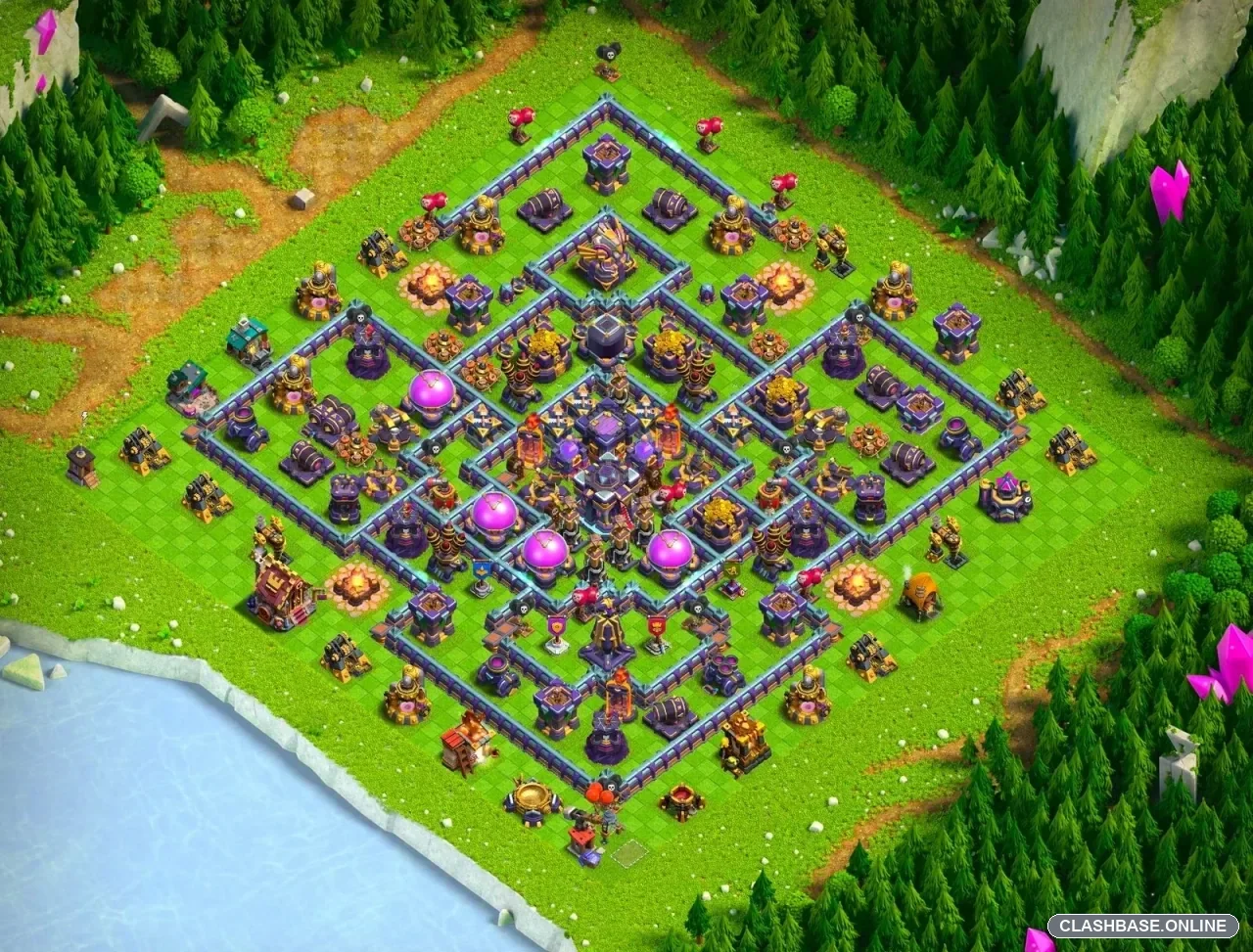
TH15 Farming Layout #7 uses a layered-square structure with the Town Hall protected near the center, behind the main storage line. Looking closely at the actual base, its defensive strategy seems focused on depth rather than simply surrounding one building with every powerful defense available.
The storages, Town Hall, Inferno Towers, and other important defenses are spread through several nested compartments. That means the first successful breach should only expose part of the valuable area. For a farming base, this is a sensible trade: some resources may be lost, but the layout tries to make a complete loot sweep much more expensive.
The storage line acts as a defensive barrier
The Gold and Elixir Storages are positioned around the deeper sections of the village rather than sitting together in one easy pocket.
Because storages have plenty of hit points, they also function as useful defensive buffers. Troops can spend several seconds destroying one while nearby Infernos, X-Bows, Archer Towers, and other defenses continue firing.
More importantly, reaching one storage does not automatically open the next.
The Town Hall sits behind this resource-heavy line, so the defense creates a sequence of valuable targets rather than one obvious jackpot in the center. That is probably the strongest farming feature of Layout #7.
Layered walls make each new pocket cost more
The wall arrangement is noticeably different from a loose multi-compartment base. Here, the compartments form square layers around the core.
That creates repeated defensive boundaries.
Even when troops get through the first wall, another compartment remains between them and the deepest loot. The result may be slower movement, awkward turns, and extra time spent changing targets.
From a defensive point of view, those delays are valuable. Farming protection is often about preserving the last few storages, not necessarily stopping the first one from falling.
Defensive threats are deliberately separated
The Air Defenses provide staggered coverage around the core, while the Inferno Towers are separated instead of forming one compact target.
That spacing means the defensive network is less likely to lose too much pressure at the same time.
Against Dragons or LavaLoon, one section of the village can continue defending a storage pocket even after another air-defense lane is compromised. Root Rider and other heavy ground armies may cross walls more comfortably, but the layered structure can still separate the front line from heroes and support troops.
In both cases, the defensive objective is similar: keep different resource pockets protected by different threats.
The left edge is the main structural concern
The left edge appears to be the area where Layout #7 is most vulnerable.
The danger for the defense is a very disciplined corner funnel that removes enough outside structure to create a straight route through two wall layers. If that happens too efficiently, some of the travel time built into the layered-square design disappears.
This makes the left-side compartments particularly important. They need to consume something—time, hero health, spells, abilities, or troop strength—before the deeper storage line is reached.
The defense does not need an immediate stop. Making that route expensive may already be enough to preserve resources elsewhere.
Why Layout #7 works for Farming
The farming identity of TH15 Farming Base #7 comes from treating resource preservation as a village-wide problem rather than making the Town Hall the only priority.
Its layered walls, separated storages, central Town Hall, staggered Air Defenses, and divided Inferno pressure all support the same idea: every additional storage should cost more effort than the previous one.